
When people talk about professional cooking, they often focus on skills or techniques. But in real restaurant kitchens, consistency comes from something quieter and more reliable: systems. Systems are what allow cooks to repeat results under pressure, with different ingredients, different team members, and limited time.
This article supports the pillar How Professional Cooking Methods Improve Everyday Home Cooking by explaining how professional cooking systems reduce mistakes—and how those same ideas can make home cooking calmer and more reliable.
What “Cooking Systems” Actually Mean in Professional Kitchens
A cooking system isn’t a rulebook or a complicated workflow chart. In professional kitchens, a system is any repeatable way of working that protects quality. It exists to reduce preventable errors, especially during busy or stressful moments.
Good systems do three things well. They reduce variability, they smooth transitions between steps, and they catch problems early. When those are in place, cooks don’t have to rely on memory, willpower, or perfect timing.
Key idea: A professional system doesn’t make cooking rigid. It makes good outcomes easier to repeat.
Why Mistakes Are So Common in Home Cooking
Most home cooking mistakes aren’t dramatic failures. They’re small issues that pile up: seasoning too late, heat drifting too high, scrambling to find tools mid-cook, or realizing something needed prep when it’s already burning.
These problems usually come from variability. Home kitchens change every night—different start times, different equipment, different energy levels. Professional kitchens fight variability aggressively because it leads directly to inconsistency.
Late decisions create expensive problems
Many cooking errors happen because decisions are made too late. Once food is already browned, over-reduced, or nearly finished, options shrink. Systems move key decisions earlier, when small adjustments still work.
Restaurants rely on this logic daily, as explained in How Restaurants Maintain Consistency During Daily Service. The same principle applies at home.
Error Prevention Matters More Than Error Correction
Professional kitchens don’t assume cooks will “just fix it” if something goes wrong. They design workflows so mistakes are less likely in the first place. This is why many professional habits look boring from the outside.
Why professionals standardize small details
Where salt lives. Where tools rest. How scraps are handled. When food is tasted. These details are standardized because they protect attention. When the environment is predictable, cooks can focus on the food itself.
Your first supporting article covers this at the personal level: Professional Cooking Habits That Make Home Cooking Easier and More Consistent. Systems are the structure that makes those habits sustainable.
Workflow Design Is the Backbone of Cooking Systems
Home cooks often try to solve problems by buying better tools. Tools matter—but only after workflow is stable. In professional kitchens, workflow always comes first.
Cooking is a series of transitions
Prep to heat. Heat to add. Add to stir. Stir to taste. Taste to finish. Mistakes often happen during these transitions, especially when something isn’t ready or the workspace is crowded.
Professional kitchens design stations so the next move is always supported. This is why cleanliness and layout matter operationally, not morally.
For the larger system view, see How Commercial Kitchen Systems Improve Speed, Safety, and Quality.
Professional Systems Use Checkpoints, Not Guesswork
Another key system in professional cooking is the use of checkpoints. Instead of waiting until the end, cooks check direction when food changes state.
Checkpoints protect flavor and timing
After salting. After browning. After adding liquid. Before finishing. These moments allow small corrections before problems become difficult to fix.
Ingredient behavior plays a big role here. Professionals don’t assume ingredients behave the same way every time. They observe and adjust, as explored in How Ingredients Behave in Professional Kitchens and Why It Matters at Home.
Professional logic: Systems reduce mistakes by catching problems early, not by demanding perfection.
Applying Professional Systems in a Home Kitchen
You don’t need to recreate a restaurant kitchen at home. You only need a few protective systems that reduce friction and keep decisions manageable.
Stabilize one default setup
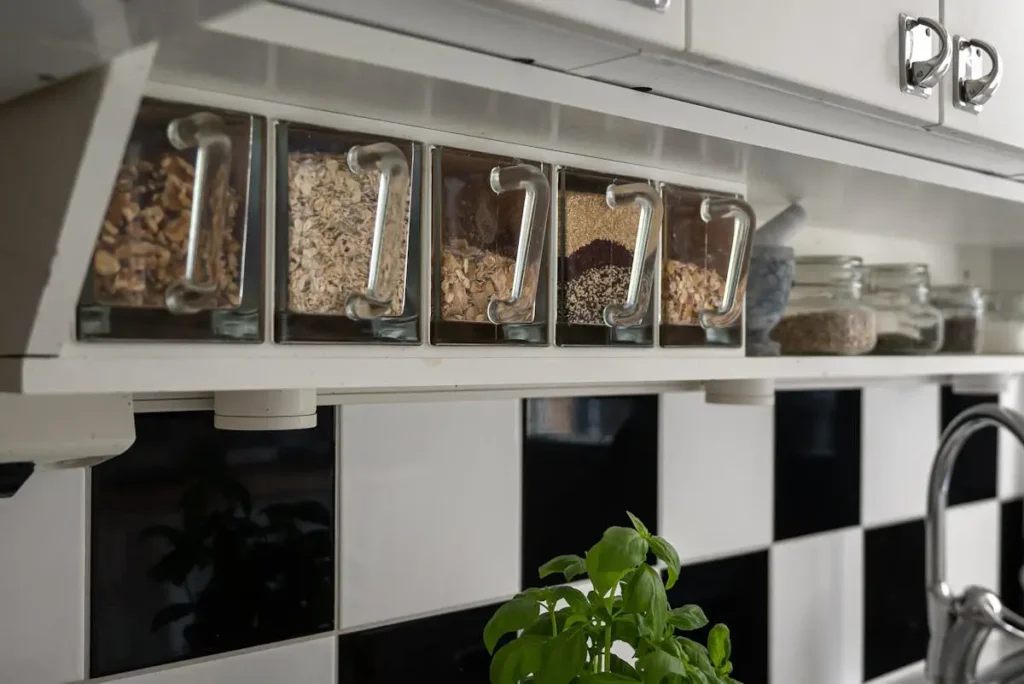
Decide where essentials live—salt, oil, spoon, towel, scrap area— and keep them there. A stable setup reduces mental load and prevents small but disruptive mistakes.
Move decisions earlier
Before heat goes on, decide what “done” looks like. Identify the fast-burning step and prepare for it. This single habit eliminates many last-minute errors.
Use tools to support systems, not replace them
Once workflow is stable, tools begin to matter more. Professionals choose tools to reinforce systems, not to compensate for chaos. That mindset is explained in How Chefs Choose Kitchen Tools and What Home Cooks Should Look For.
Core takeaway: Professional cooking systems don’t make cooking complicated. They make good results easier to repeat.