Ingredients & Food Knowledge

Ingredient sourcing, food properties, handling methods, and practical food science insights.

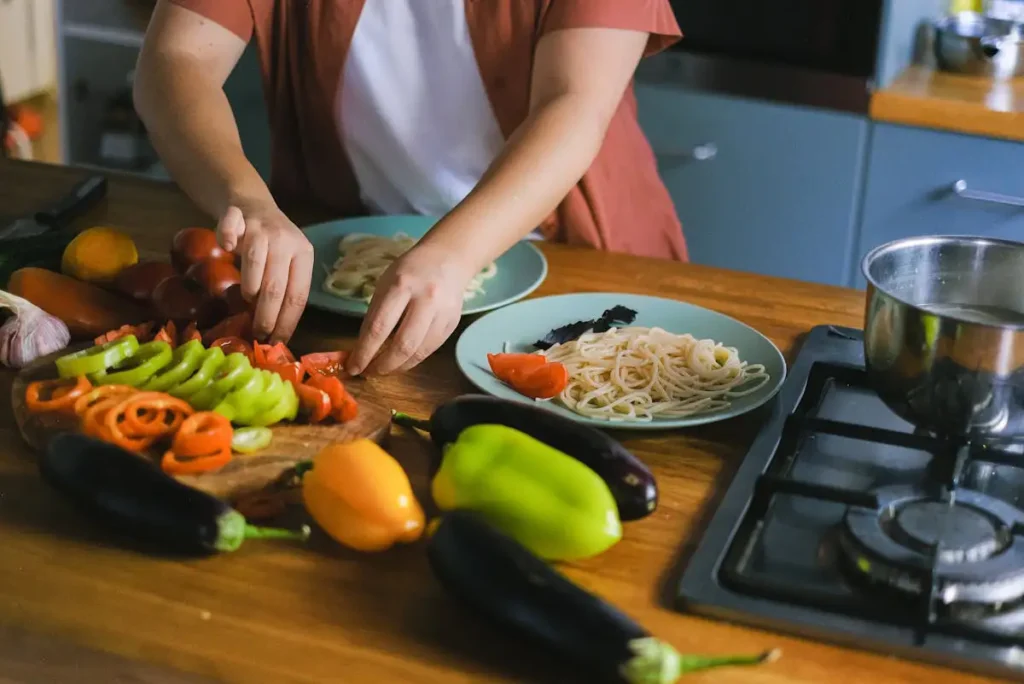
Assorted vegetables of varying size and ripeness demonstrating ingredient variability in cooking

How Professional Cooks Adjust for Ingredient Variability (And Why It Matters at Home)

Recipes assume ingredients behave the same every time. Professional kitchens assume they don’t. Tomatoes are sweeter in late summer. Chicken breasts vary in thickness. Potatoes hold different amounts of moisture depending on storage. Herbs lose strength as they sit. This mindset builds directly on the pillar How Ingredients Behave in Professional Kitchens and Why It Matters […]

How Professional Cooks Adjust for Ingredient Variability (And Why It Matters at Home) Read More »
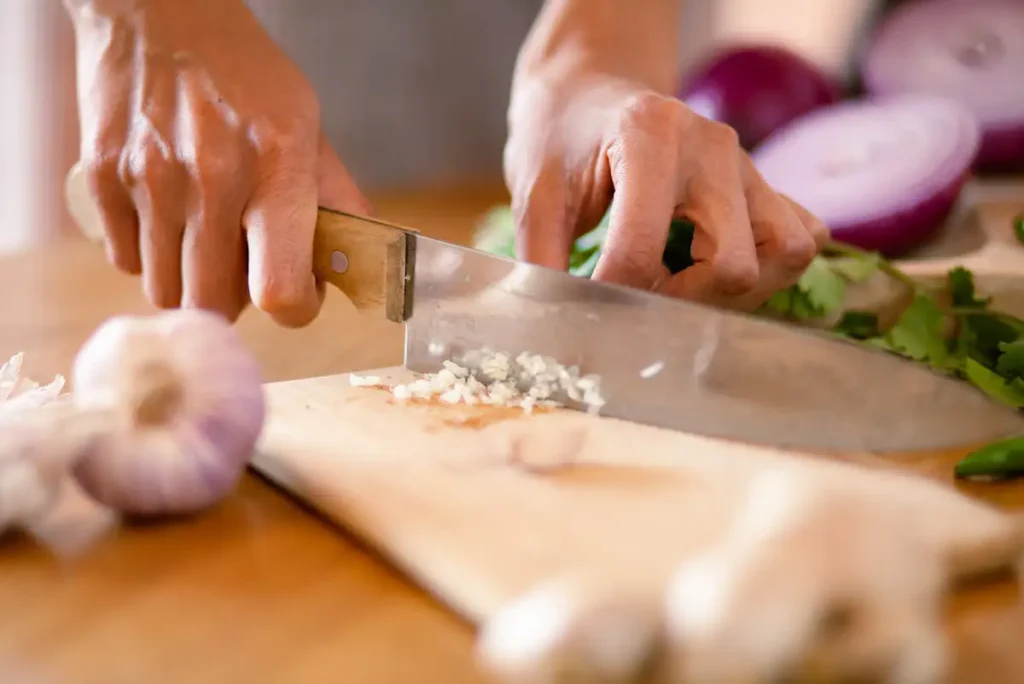
Chef cutting vegetables evenly on a board demonstrating ingredient preparation in cooking

Why Ingredient Preparation Changes Cooking Outcomes (Cut Size, Dryness, and Timing)

Home cooks often treat prep as “getting ready.” Chop the onion, mince the garlic, rinse the chicken, and then the real cooking begins. In professional kitchens, prep is not a warm-up. It’s where outcomes are set. The way an ingredient is cut, dried, salted, or held on the counter changes what it will do once

Why Ingredient Preparation Changes Cooking Outcomes (Cut Size, Dryness, and Timing) Read More »

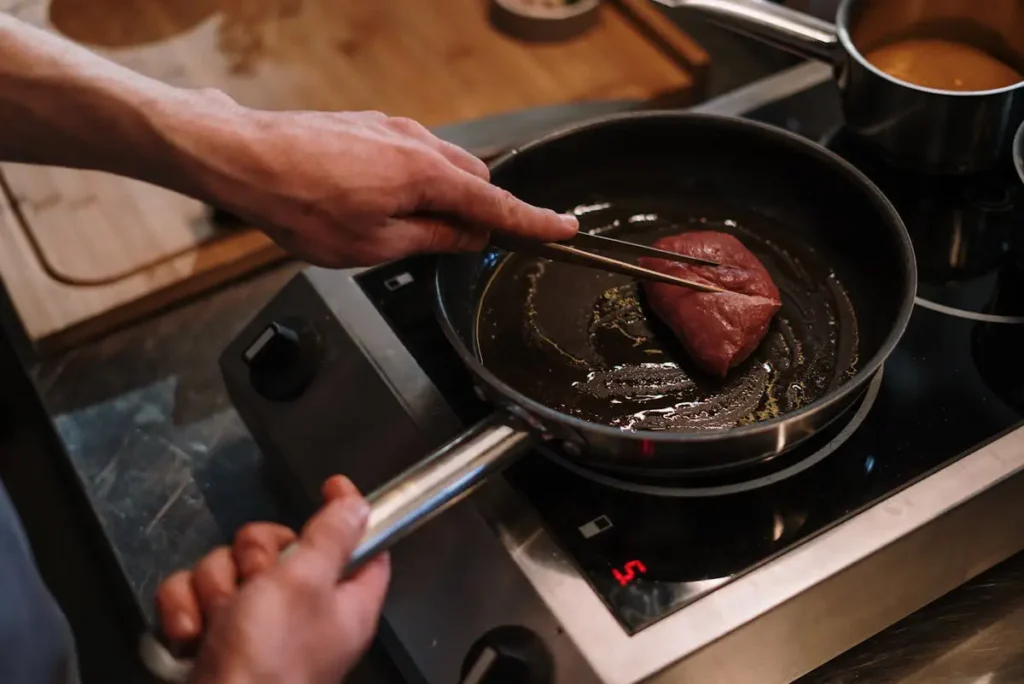
Close up of ingredients cooking in a pan showing browning and texture change

How Heat Changes Ingredients: Texture, Moisture, and Structure

In professional kitchens, heat isn’t just something that makes food hot. It’s what changes food. Texture shifts. Moisture moves. Structure tightens or relaxes. Flavor develops in layers. This way of thinking connects directly to the main pillar, How Ingredients Behave in Professional Kitchens and Why It Matters at Home. Ingredients aren’t fixed objects. They’re responsive. The

How Heat Changes Ingredients: Texture, Moisture, and Structure Read More »

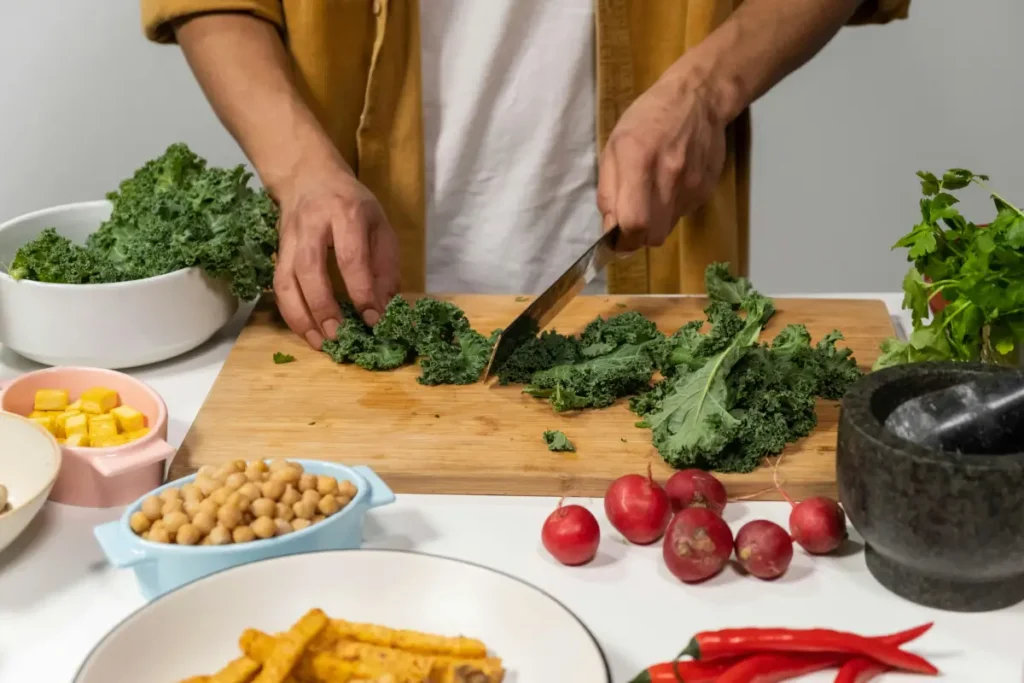
Raw ingredients prepared on a kitchen counter before cooking

How Ingredients Behave in Professional Kitchens and Why It Matters at Home

Most home cooks think of ingredients as fixed things. Chicken is chicken. Tomatoes are tomatoes. When something turns out dry or bland, it’s usually blamed on the recipe or the ingredient itself. In professional kitchens, that’s not how ingredients are seen. They’re treated more like moving parts. They respond to heat, salt, fat, air, and

How Ingredients Behave in Professional Kitchens and Why It Matters at Home Read More »